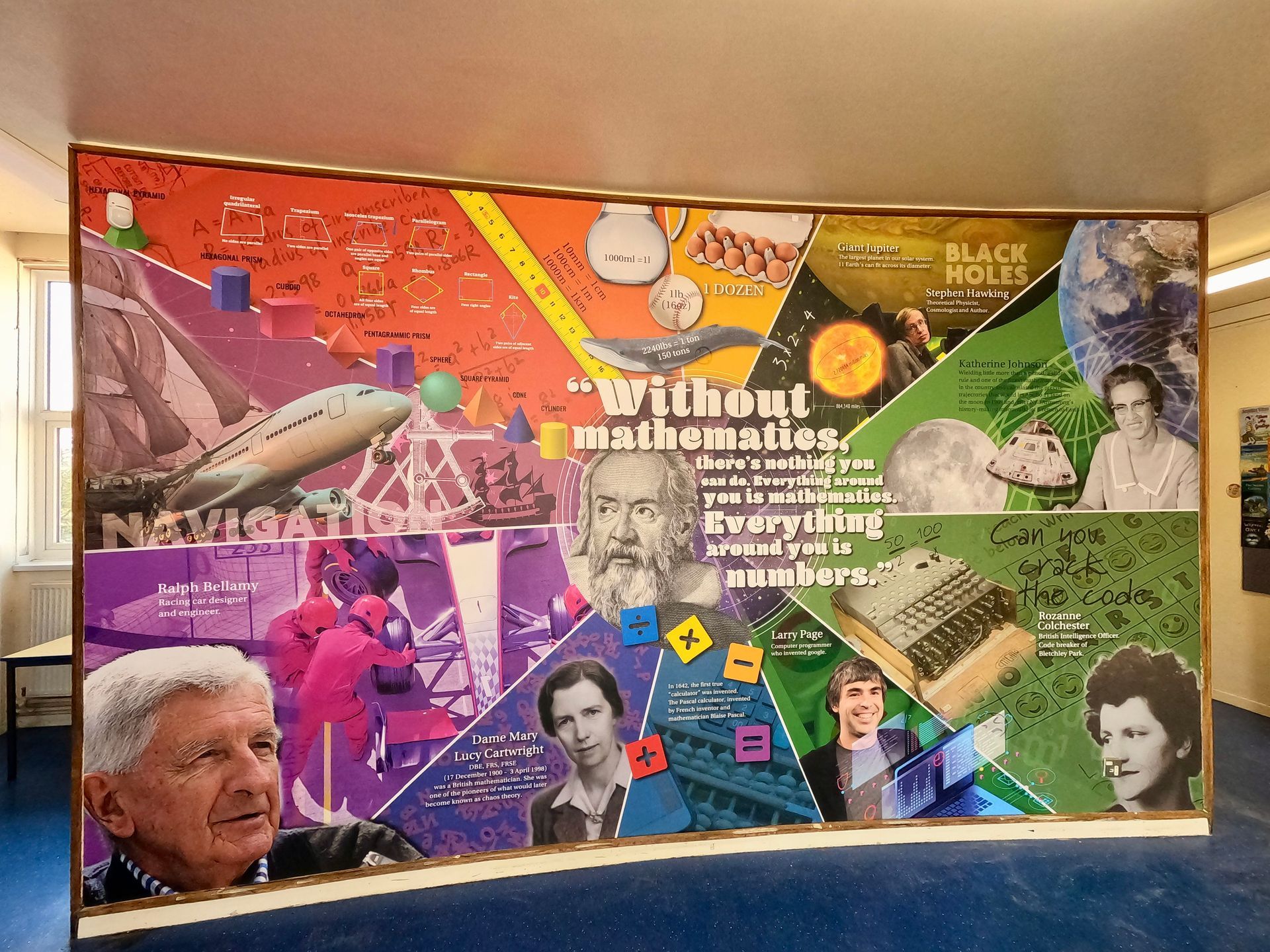
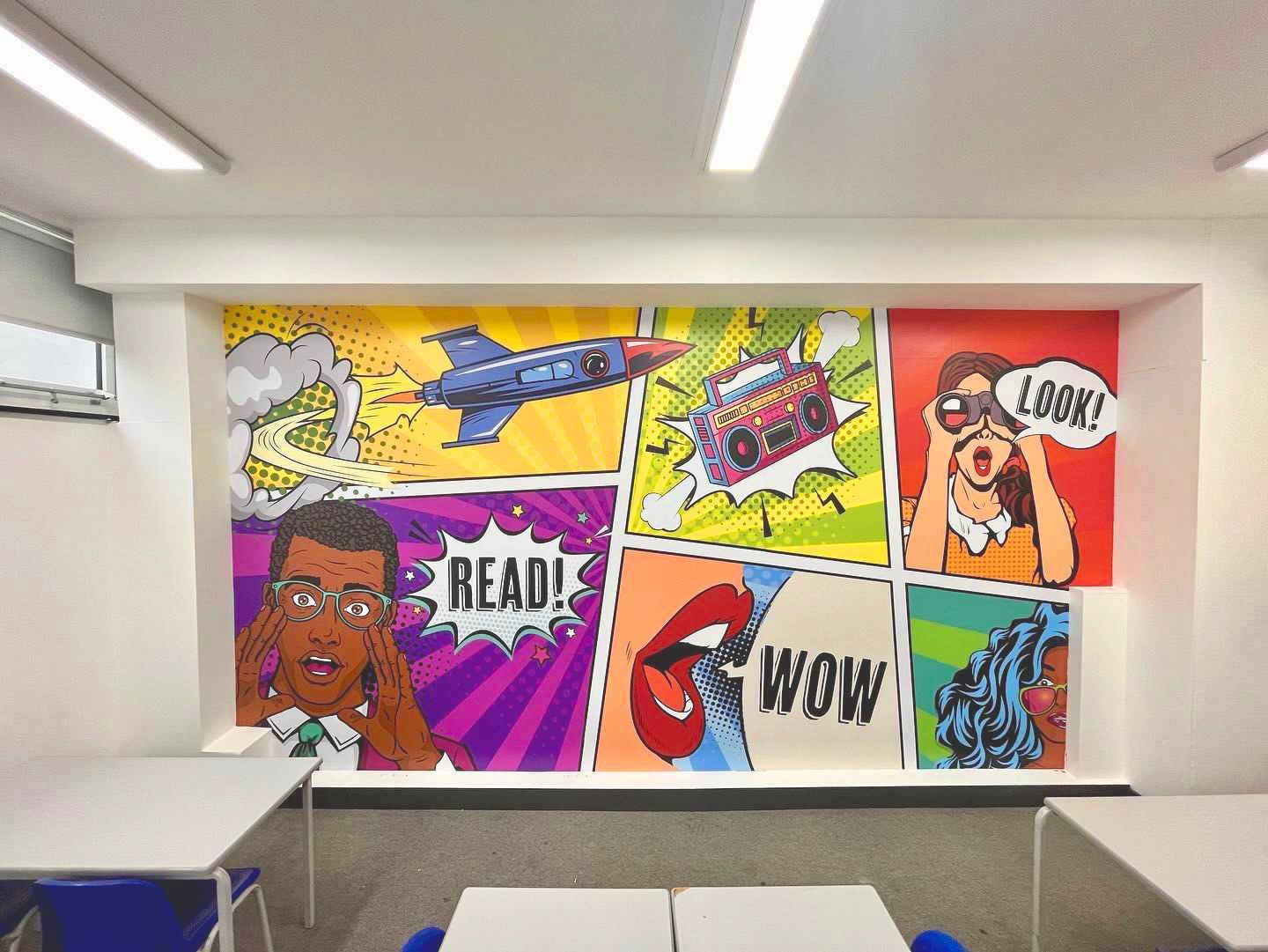
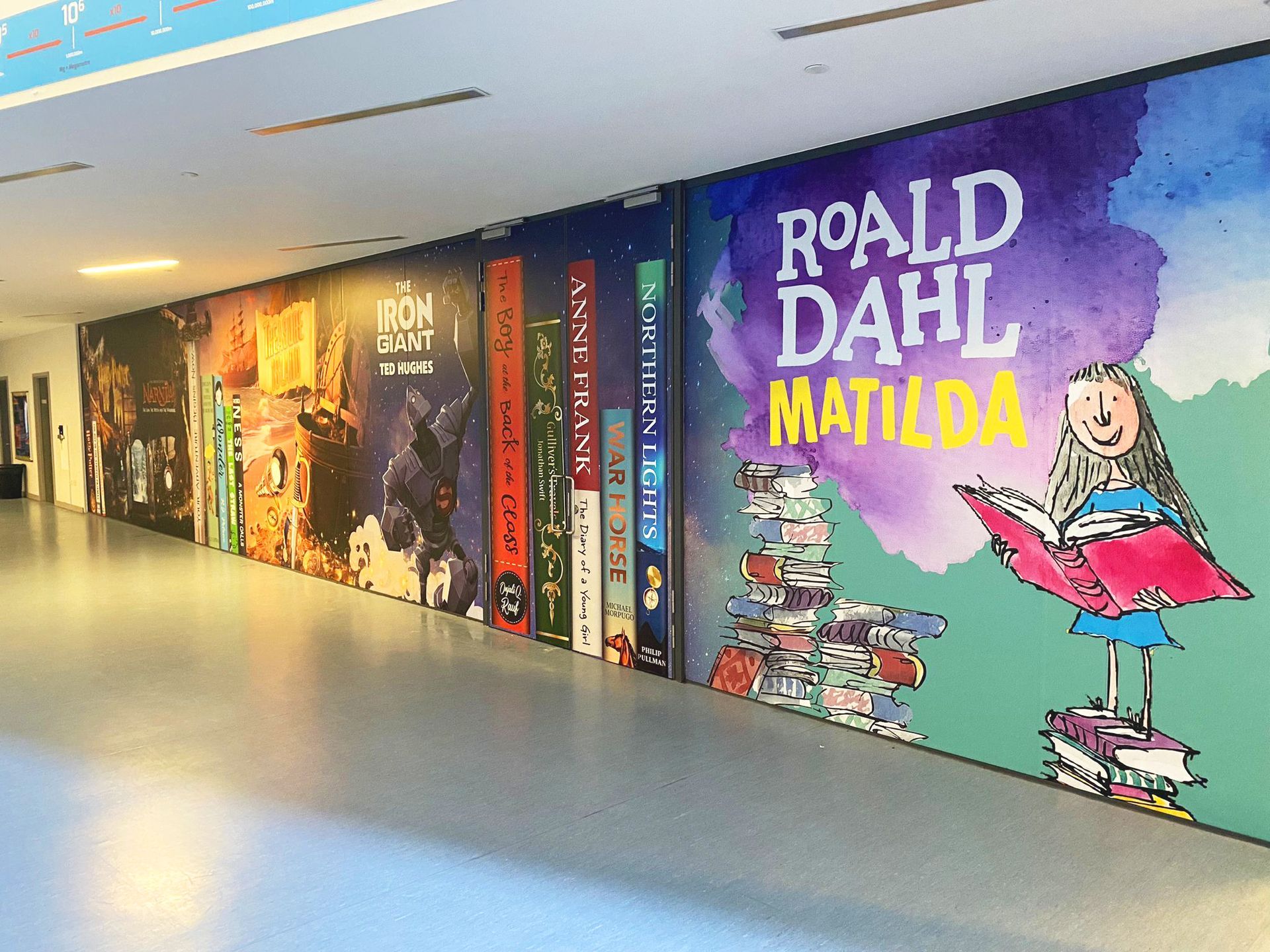
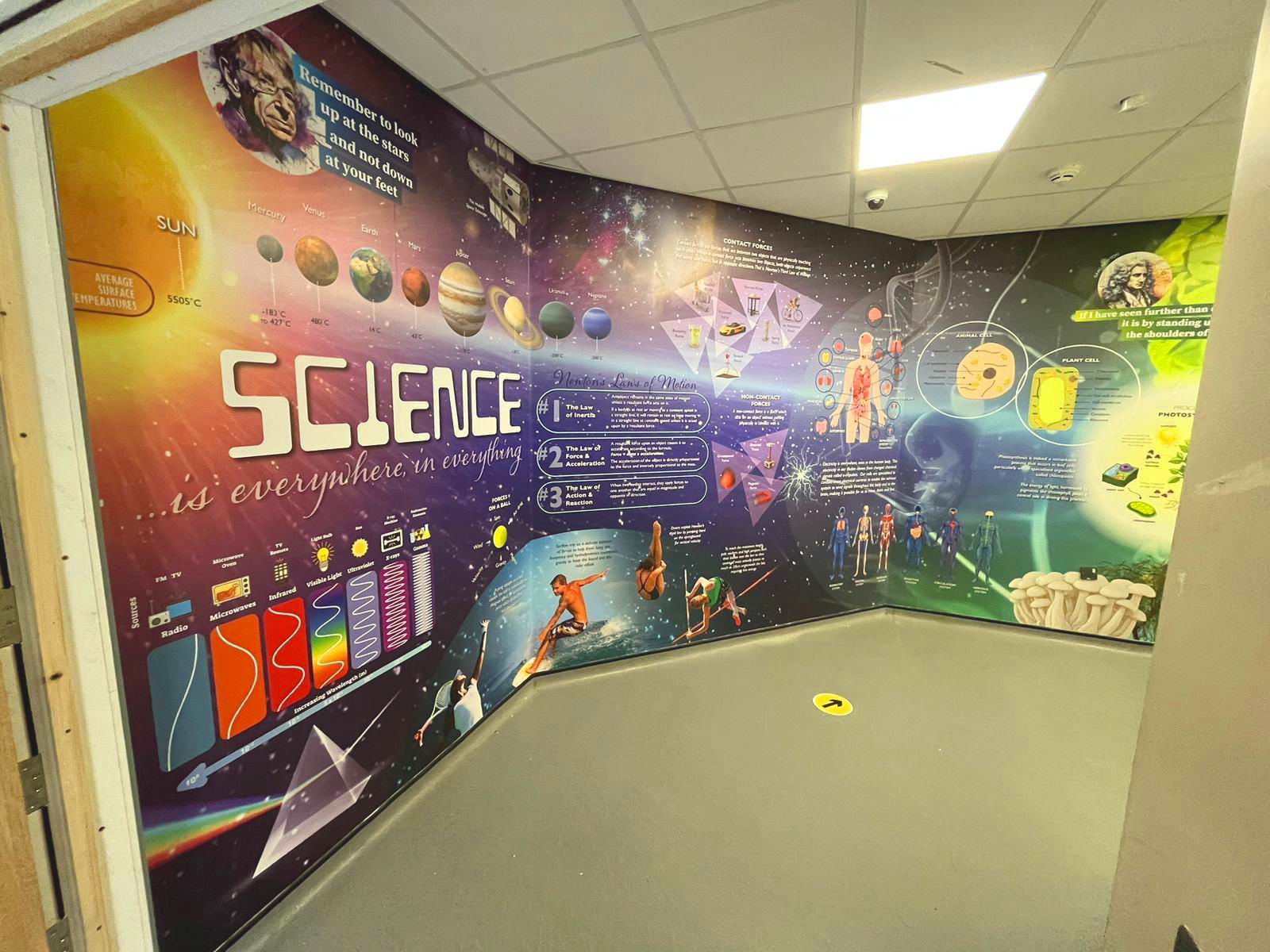
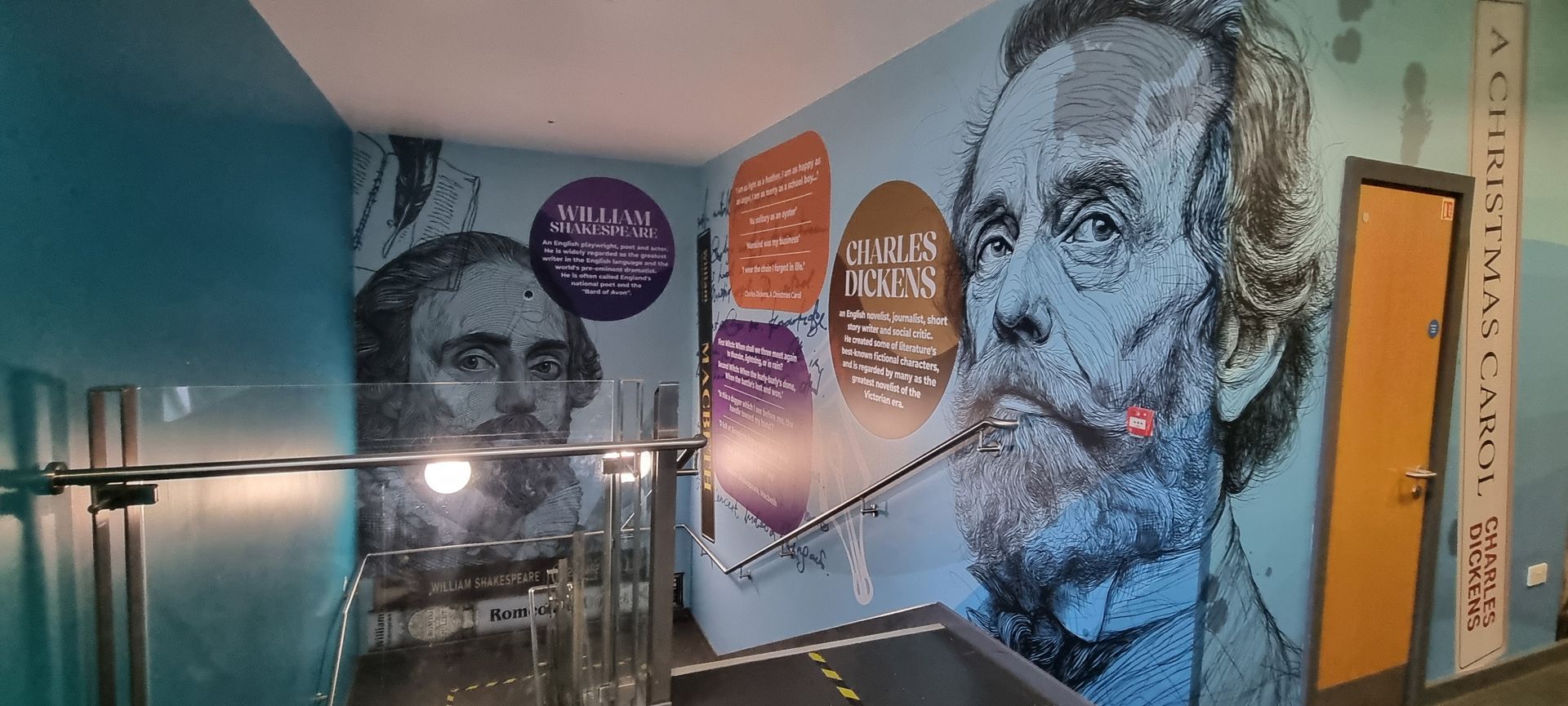
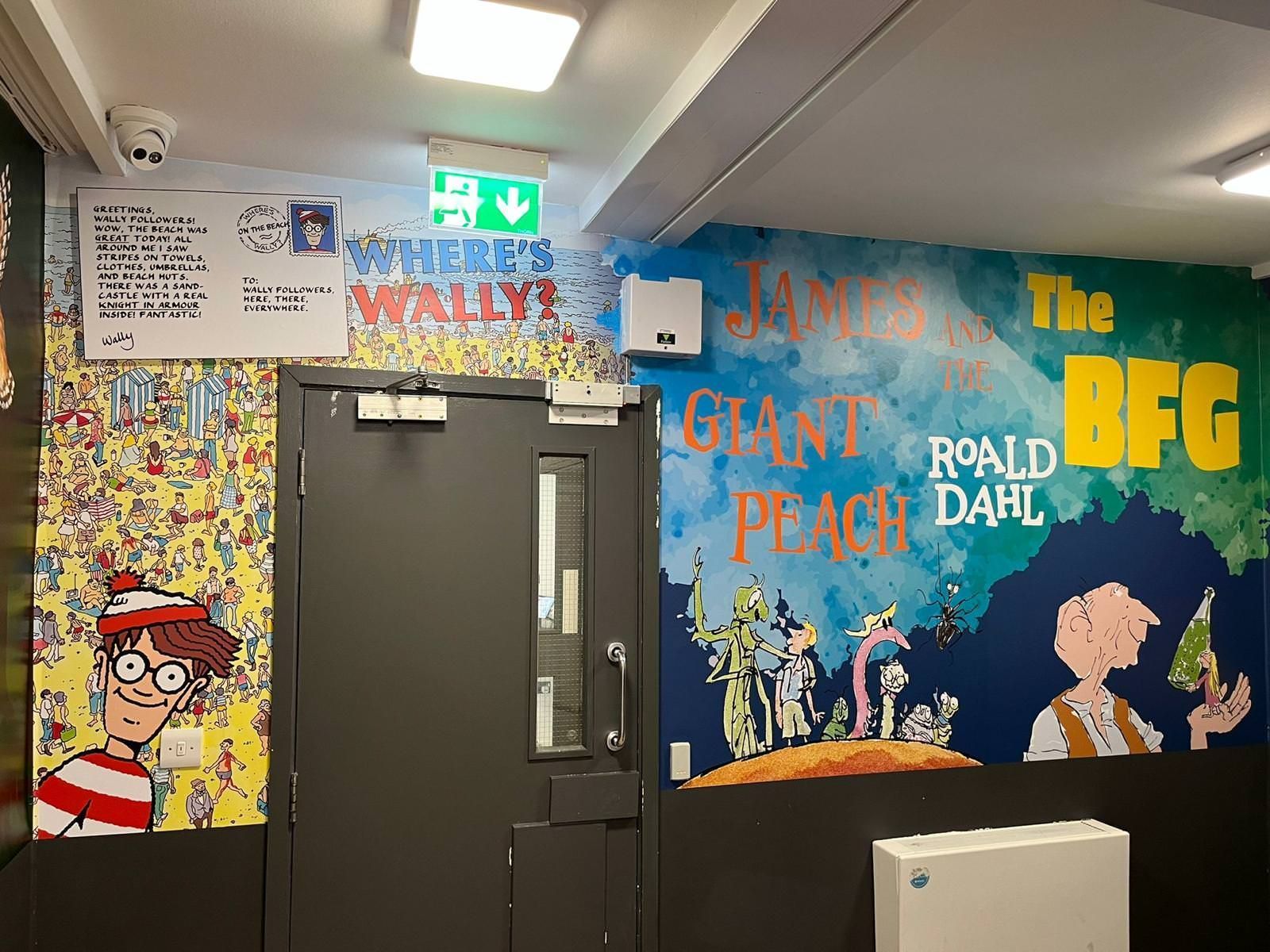
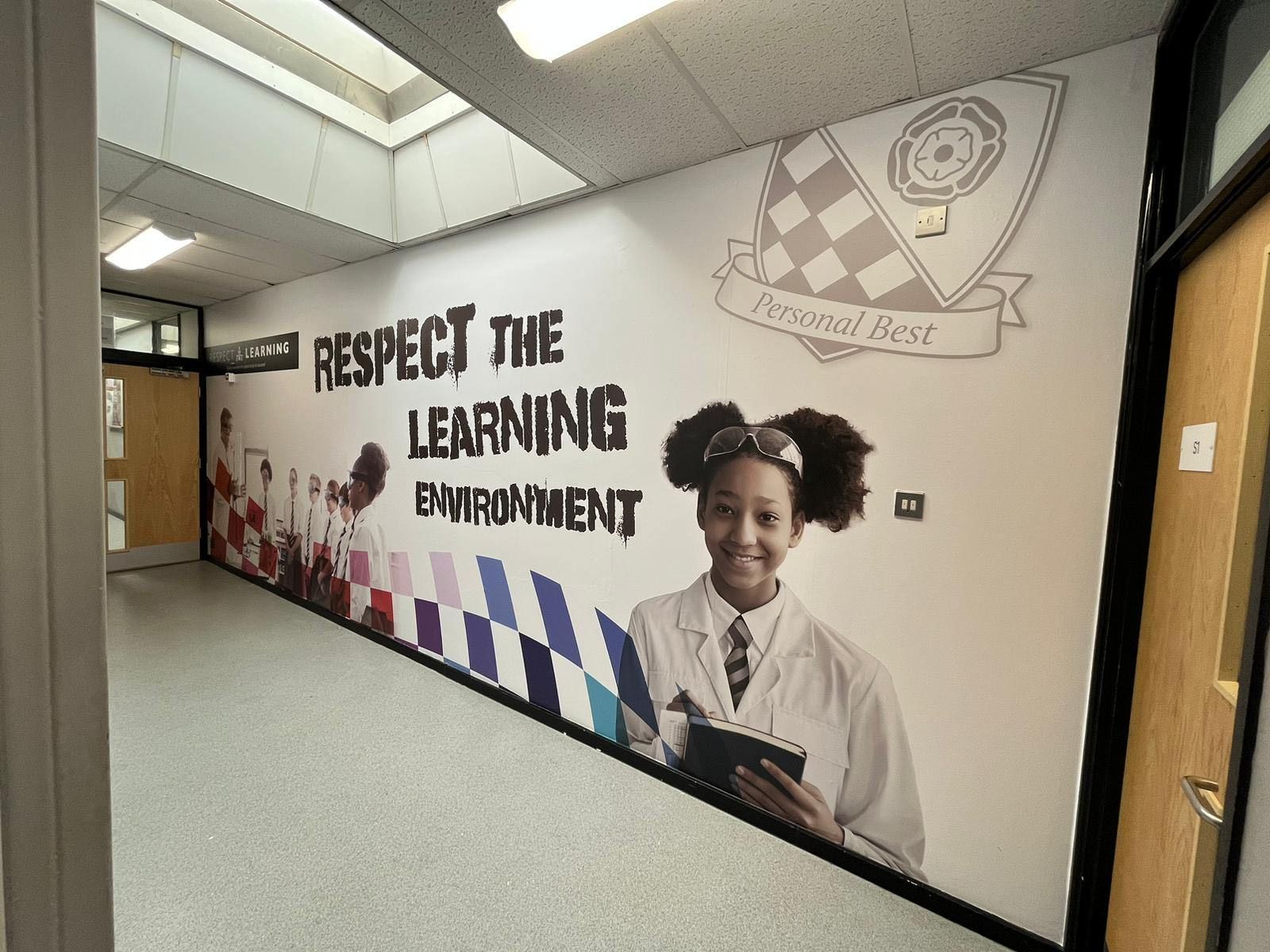
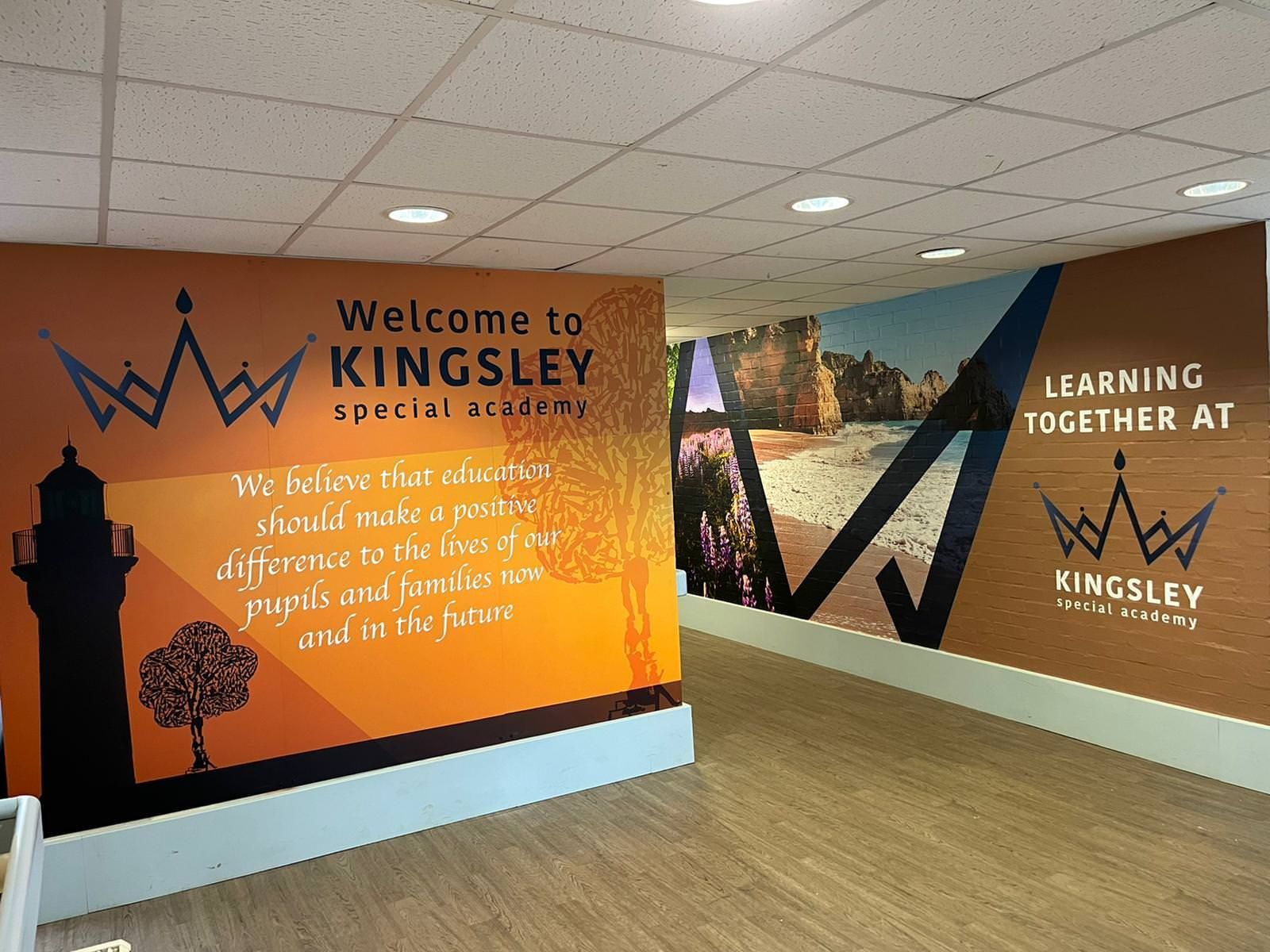
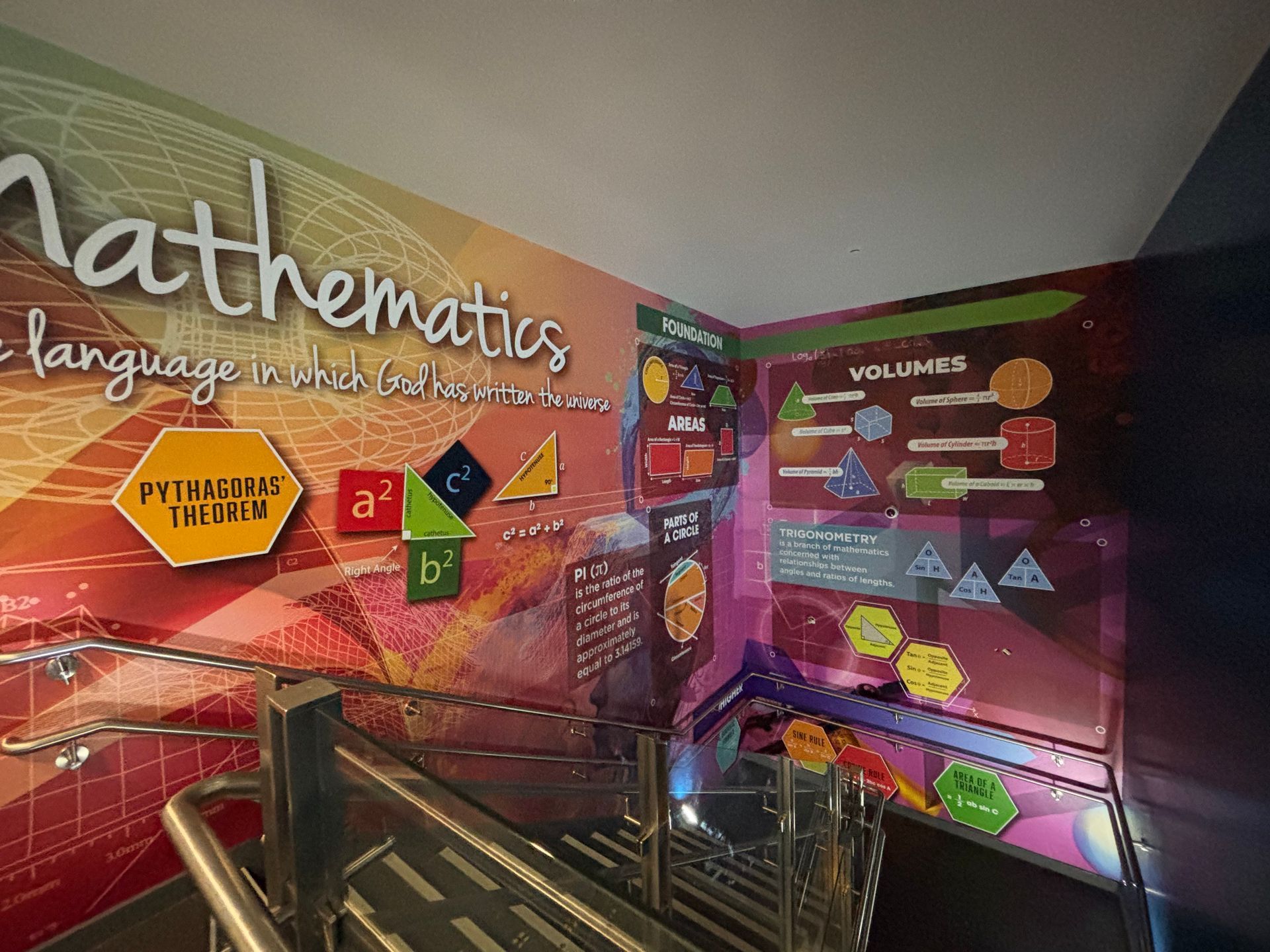
Promoting healthy beings and providing support through imagery, like landscapes or depictions of friendship, shows a dedication to nurturing the emotional wellness of students.
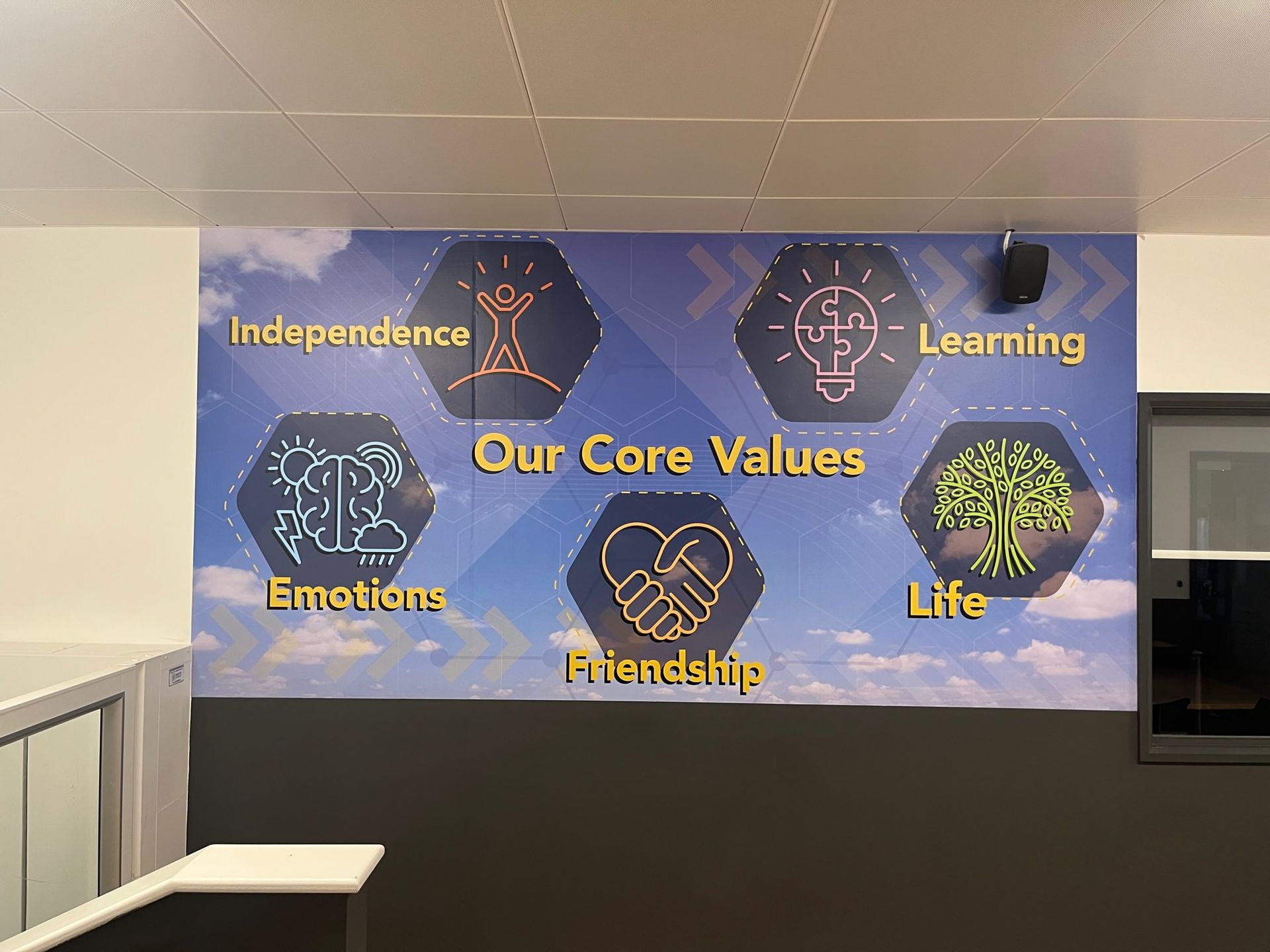
Enhancing Wellness and Encouragement Through Wall Art
When schools display wall art featuring landscapes or images showing solidarity and companionship, it can significantly strengthen their dedication to improving students' mental and emotional well-being. Here are some tips for creating and putting up wall graphics that communicate these ideals successfully;
The Serenity of Nature;
- Incorporate pictures of tranquil settings, such as woodlands, mountain ranges, shorelines, and botanical havens, into your surroundings to create an ambience.
- Use shades of blue, green, and pastel colours to create a calming and peaceful ambience that encourages relaxation and tranquillity.
Camaraderie;
- Illustrate a variety of students from different backgrounds participating in welcoming activities like assisting one another and studying together in groups.
- Scenes that showcase interactions between teachers and students well and peer support are emphasised in this context of positive relationships.
Inspiring Messages;
- Incorporate uplifting statements and supportive phrases that boost confidence and inner strength.
- Promoting Mental Health Awareness is essential, as it helps spread information about well-being and reminds students to seek support when needed.
When it comes to mindfulness and relaxation,
- Exploring Ways to Practice Mindfulness: Discuss ways to incorporate mindfulness into your routine, such as breathing techniques and meditation exercises.
- Designated Quiet Areas are meant for contemplation and relaxation. Come equipped with visual cues to assist students in making the most of these serene spaces.
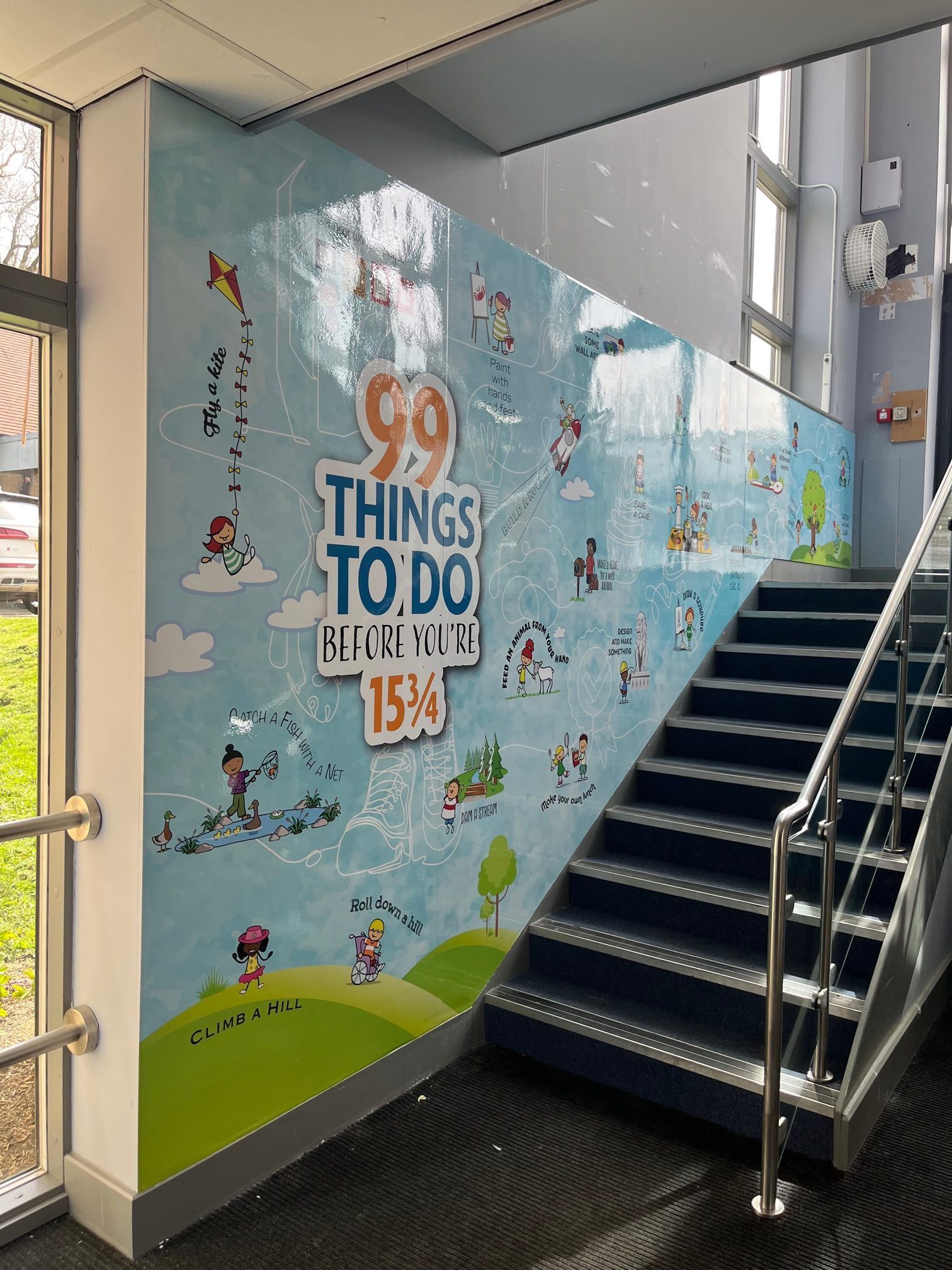
Strategically Positioning for Optimal Effectiveness
Education spaces;
- Let's set up areas in classrooms called " Corners" for relaxation and mindfulness practice with serene sceneries and guidance on mindfulness activities.
- To cultivate an atmosphere in the classroom, incorporate uplifting images on the walls showcasing friendship, positivity, and affirmations.
Walkways;
- Decorate corridors with calming themes that evoke tranquillity and serenity. Use nature-inspired visuals and soothing colour schemes.
- Messages promoting health awareness and encouraging students to support each other should be included in the communication.
Typical locations and places for people to come together;
- Designated Relaxation Areas can be established, providing students with seating arrangements and soothing visuals to unwind and rejuvenate.
- Portraying scenes of friendship and teamwork through walls can emphasise the value of connections.
Health Facilities;
- Create settings by designing counselling and wellness facilities adorned with soothing views and encouraging visuals to establish an inviting and secure space for students.
- Utilise visual aids, like infographics, to display details about the health resources and support services to students.
Plan of Action
- Let's work together on the design process.
- Involving students and teachers in the design process is crucial to creating graphics that meet the school community's needs.
- Engage with designers to craft top-notch visuals that enhance wellness and provide assistance.
- Select child-safe materials to provide a non-toxic environment for children to engage with.
- Choose alternatives by selecting sustainable resources matching the school's environmental stewardship dedication.
Professional Installation;
- Make sure to have an install it to guarantee safety. A good look is needed while preventing problems with alignment or damage.
- Make sure to place the visuals at a level kids can easily see and reach.
Upkeep;
- Remember to set aside time for upkeep and cleaning to keep the visuals vibrant and captivating.
- Let's schedule updates to bring healthy topics and maintain a dynamic and supportive atmosphere.
- Designs showcasing positivity and encouragement are displayed on walls to promote a sense of wellness and help.
- A cosy nook in the classroom with scenery decorations, guidance for relaxing activities, and chairs.
- Creating a designated area for students to engage in mindfulness and relaxation activities can positively influence their well-being and overall health.
The Wall of Friendship;
- A mural illustrating students participating in activities like assisting one another and working together on projects is being planned.
- Emphasises the significance of fostering connections and cultivating a nurturing environment.
- The hallway exudes a soothing ambience, inviting a sense of peace and tranquillity to anyone passing through.
- The hallway is adorned with tranquil nature scenes painted in hues and adorned with encouraging messages to enhance a sense of calmness and mental wellness.
- Moving between classes is made more accessible for students as it fosters an atmosphere that lowers stress and anxiety levels.
The visuals for the wellness centre;
- The counselling and wellness centre's graphics showcase landscapes, encouraging messages, and details on resources for healthy living.
- Encourages establishing a secure environment where students feel comfortable seeking assistance and guidance for their health requirements.
Closing Reflections
Schools can establish a setting that shows dedication to students' emotional well-being by using elements that promote wellness and relaxation in their design aesthetics. These graphics need to improve the school's appearance. They offer crucial assistance for students' well-being, encouraging a favourable and caring atmosphere within the school. This strategy aids in constructing a nurturing space where students sense appreciation and encouragement, which plays a role in their growth and achievements.